

Categories
Living in Placer County, Living In Sacramento, Moving to California, real estate, Relocation, Sacramento Real EstatePublished February 18, 2026
Don’t Move to Sacramento in 2026 Until You Know These 6 Things


Don’t Move to the Greater Sacramento Area in 2026 Until You Know These 6 Things

Prefer to Watch Instead?
If you’d rather watch the full breakdown, here’s the video:
Why People Get Blindsided After Moving Here
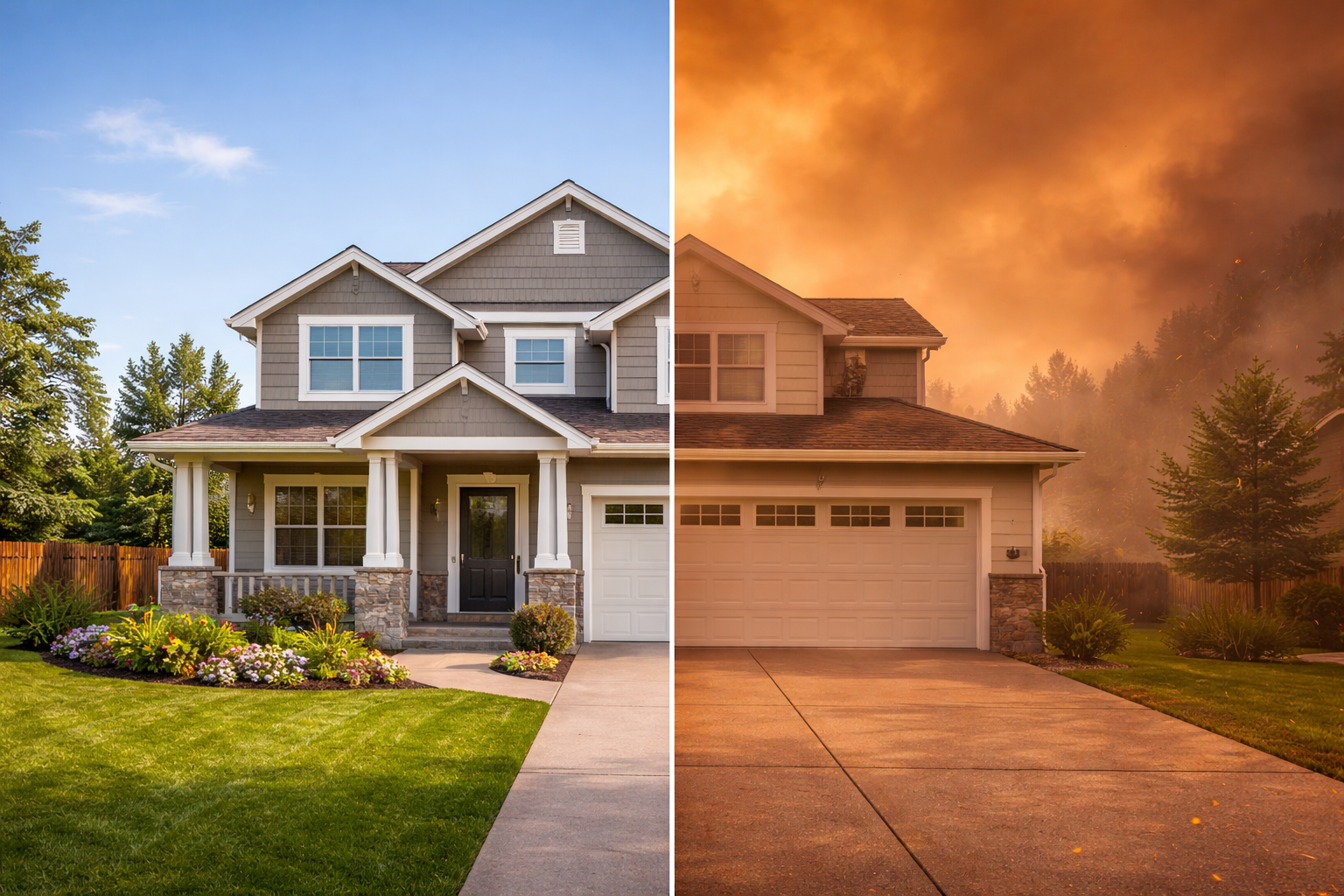
You should not move to the greater Sacramento area until you hear what I’m about to tell you. On the surface, parts of Sacramento, Placer, and El Dorado County look incredible: great schools, newer suburbs, close to Tahoe, and not too far from the Bay and coastal cities.
For years, this was the “affordable part of California.” But in 2026, there are real challenges catching people off guard: sky-high insurance rates, higher home prices, traffic, wildfire smoke, weather shifts, and a handful of local issues that can hit your finances and quality of life if you don’t plan ahead.
I’ve lived here for nearly 50 years and I’ve spent my career helping families buy, sell, and relocate across the region. So I get a front-row seat to what works here—and what surprises people after they move in.
Below are six things I want you to know before you make the jump.
1) It’s Not the Bargain It Used to Be
For a long time, the story was simple: move to Sacramento, it’s cheaper than the Bay Area and you still get the California perks. That story has changed.
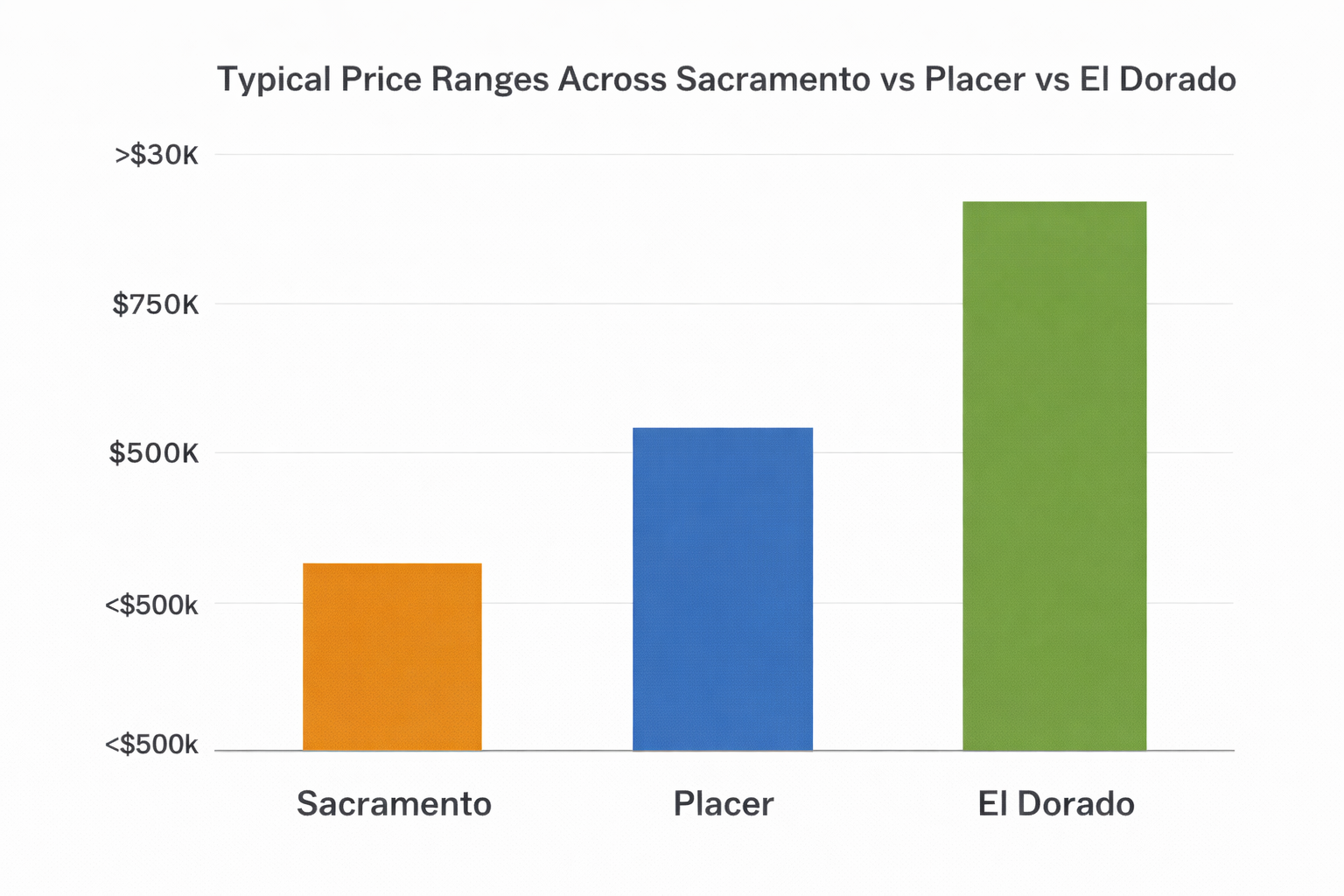
In 2026, a typical home in Sacramento County often lands in the mid-$500,000s. In popular Placer County suburbs—like Roseville, Rocklin, and Lincoln—you’re commonly seeing mid-to-high $600,000s and up, especially in newer or more desirable neighborhoods. And in El Dorado Hills, it’s normal to see prices pushing into the high $800,000s, $900,000s, and beyond.
If you’re moving from the Bay Area or certain parts of Southern California, it can still feel “cheaper.” But if you’re moving from the Midwest, the South, or smaller markets, it may not feel cheap at all.
And the purchase price is only one piece. You’ve also got property taxes that scale with higher values, potential Mello-Roos in newer communities, higher summer utility bills (AC is not optional here), and insurance costs that can be a real wild card.
Bottom line: Greater Sacramento can still be more affordable than coastal metros, but it’s no longer the secret bargain of California. The move can absolutely make sense—you just want to be strategic about the county, the city, and the price point.
2) Wildfire Risk Can Turn Into an Insurance and Payment Problem Fast

If you’re drawn to foothill or more scenic areas—parts of El Dorado County and Placer County especially—wildfire risk and insurance can change your monthly payment in a hurry.
Areas like El Dorado Hills, Cameron Park, Shingle Springs, Rescue, Placerville and “up the hill” are beautiful: trees, views, more space, and you’re closer to the Sierra. But you may also be stepping into higher fire-risk zones, and that can mean fewer insurance options or much higher premiums.
A lot of traditional carriers have tightened up in higher-risk areas. Sometimes buyers hear, “We’re not writing new policies there right now,” and then they end up in the California FAIR Plan. Those premiums can be dramatically higher than what people plug into online mortgage calculators.
What I see in real life: buyers get pre-approved, fall in love with a home in the hills, and then the insurance quote shows up and the payment is suddenly higher than planned—purely because of fire rating and coverage options.
This doesn’t mean “don’t buy in the foothills.” Plenty of families do and love it. It just means: get insurance quotes early, run your budget with real numbers (not averages), and understand the trade-off before you’re deep in escrow.
Even outside fire zones, insurance is tighter than it used to be. I’ve had deals where a prior claim on a property caused delays and higher costs— even in areas you’d consider “normal” for insurance.
3) Traffic, Commutes, and Car Dependence Are Real
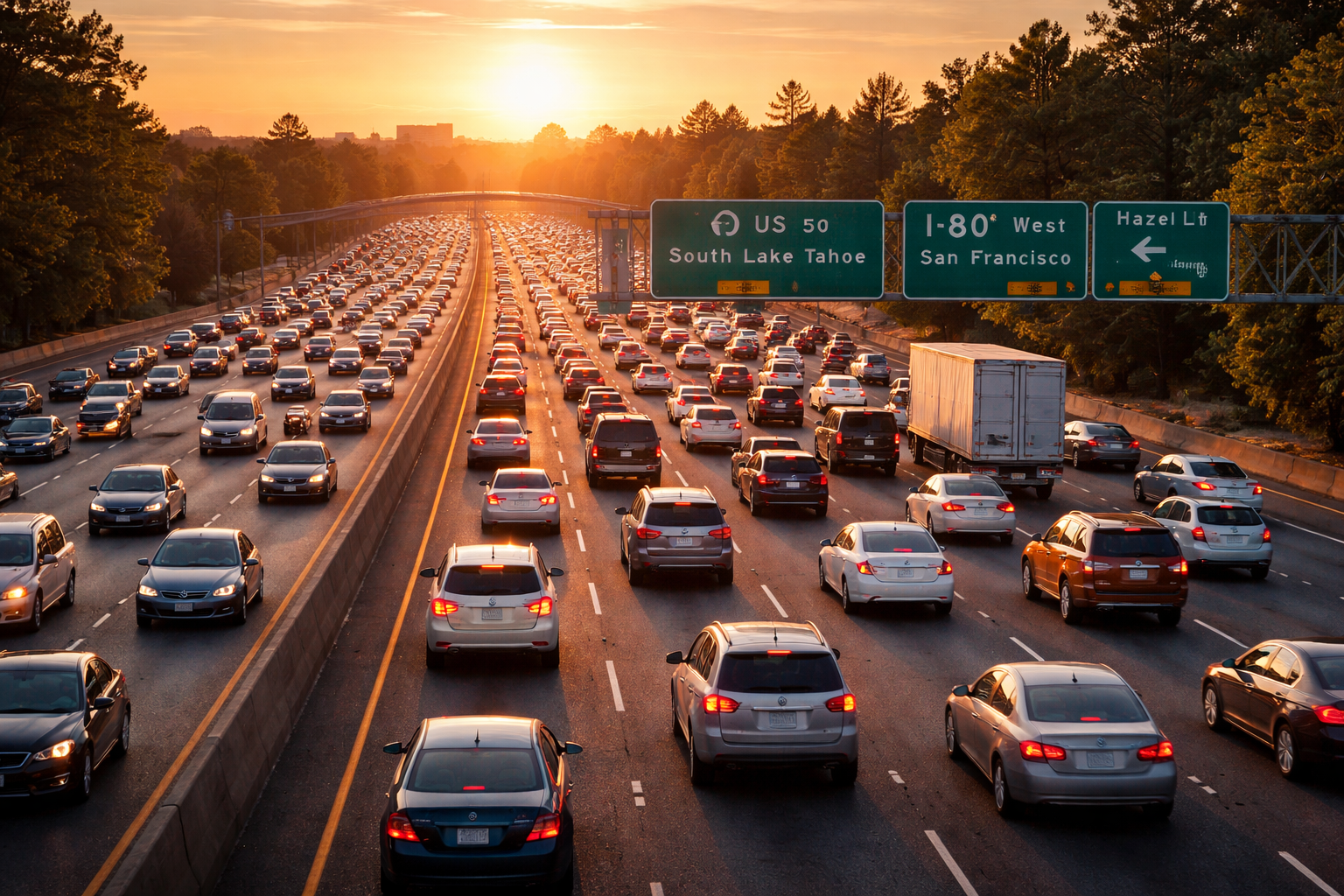
On a map, Sacramento doesn’t look that big. A lot of people assume, “It’s not LA or the Bay, how bad can traffic be?” Then they hit Highway 50, I-80, Highway 65, 99, or I-5 at rush hour—and the reality sets in.
We’ve had major growth in Roseville/Rocklin/Lincoln along the 65 corridor, in Folsom and Folsom Ranch off 50, in Elk Grove to the south, and in El Dorado Hills and nearby communities to the east. But the jobs haven’t all moved with the rooftops. Many people still commute toward downtown, hospitals, medical centers, state buildings—or even the Bay Area a couple days a week.
What it often feels like:
- Heavy backups during peak commute windows
- Ongoing construction, lane changes, and surprise slowdowns
- Longer-than-expected drives on weekends to Tahoe, Apple Hill, or big events downtown
Public transit exists, but it’s not robust enough to replace a car for most people. This is still a car-dependent region. My advice: map your commute at the exact times you’d drive (weekday mornings and afternoons), and be honest about your tolerance. A great house stops feeling great if the commute makes you miserable.
4) Weather Whiplash Is Real (It’s Not Just “Hot”)
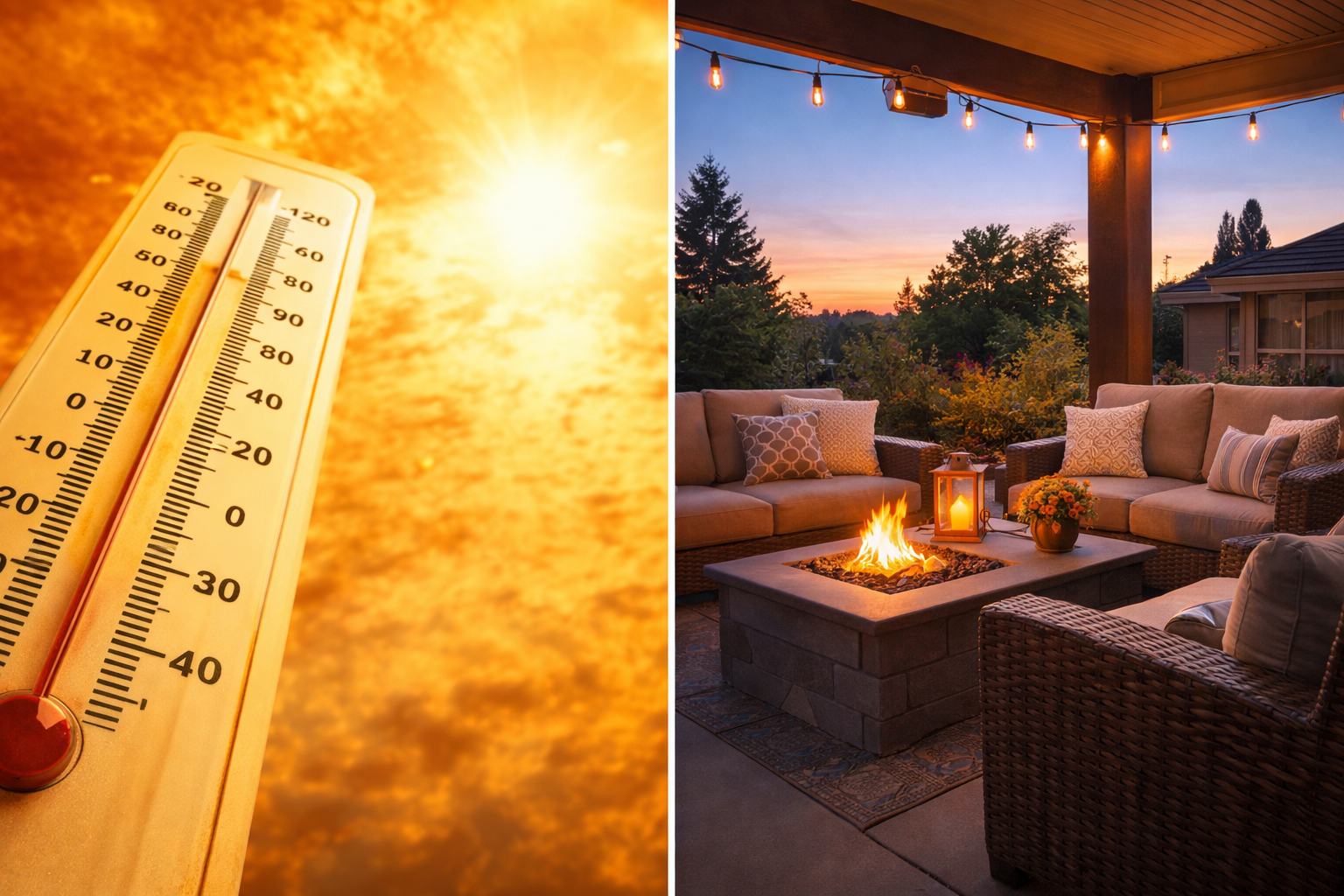
If you’ve heard anything about Sacramento, you’ve heard it gets blazing hot. That reputation is earned—some of our hottest summers have been recent. But here’s the nuance: it doesn’t play out the same every year.
2025 surprised a lot of people. July is usually one of our hottest months, and Sacramento only hit 100 degrees one time that month. Many days were cooler than typical, and longtime residents felt how different it was.
That doesn’t mean you should bank on mild summers. You still need to plan for real heat and heat waves. Good AC, insulation, fans, smart shades/window coverings matter a lot. And if you’re sensitive to smoke season, an air purifier is worth it.
The honest version: you’re moving somewhere with real heat potential, but also enough year-to-year variability that some years feel surprisingly comfortable. Plan for the hotter years, and treat mild years as a bonus.
5) The Region Is Growing Fast, and the “Feel” Is Changing
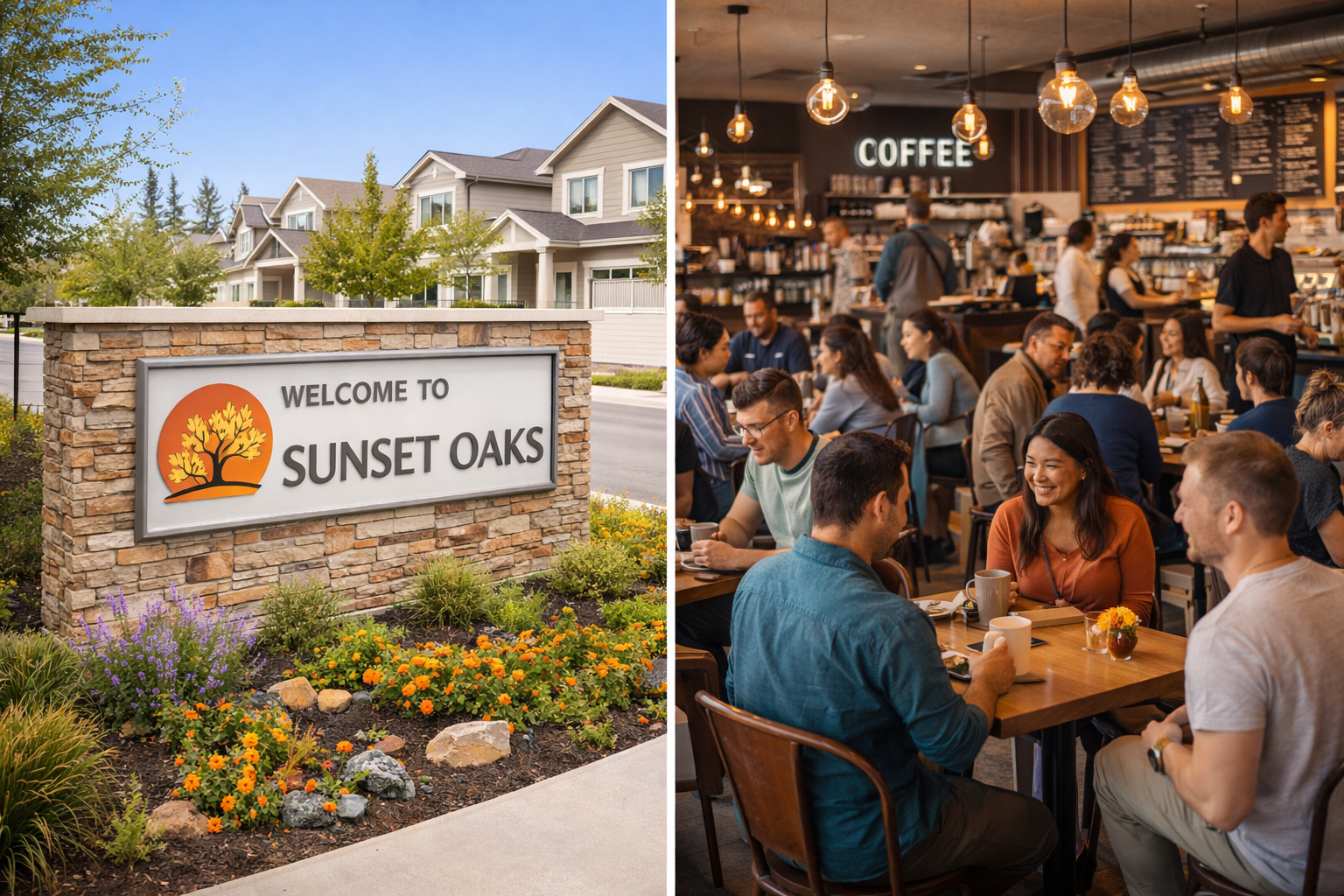
The greater Sacramento area has become a major relocation destination: Bay Area and Silicon Valley residents looking for more space, remote/hybrid workers, and families chasing schools and parks.
Because of that, growth is happening almost everywhere: new master-planned communities in Roseville, Rocklin, Lincoln, Folsom Ranch, Elk Grove, Rancho Cordova; and infill/redevelopment in downtown/midtown.
Some people love it—more restaurants, coffee shops, breweries, retail, and options. Others miss the slower pace, fewer crowds, less traffic, and lower prices.
If you’re moving here hoping for a sleepy “hidden gem” vibe, you might be a few years late. The real question is: do you want to live in a growing metro with family-friendly suburban pockets, or are you trying to get as far away from growth as possible?
If you want quieter, it still exists—but you need to be intentional and look at slower-growth pockets on the edges of these counties.
6) Downtown Challenges (Including Homelessness) Are Part of the Picture
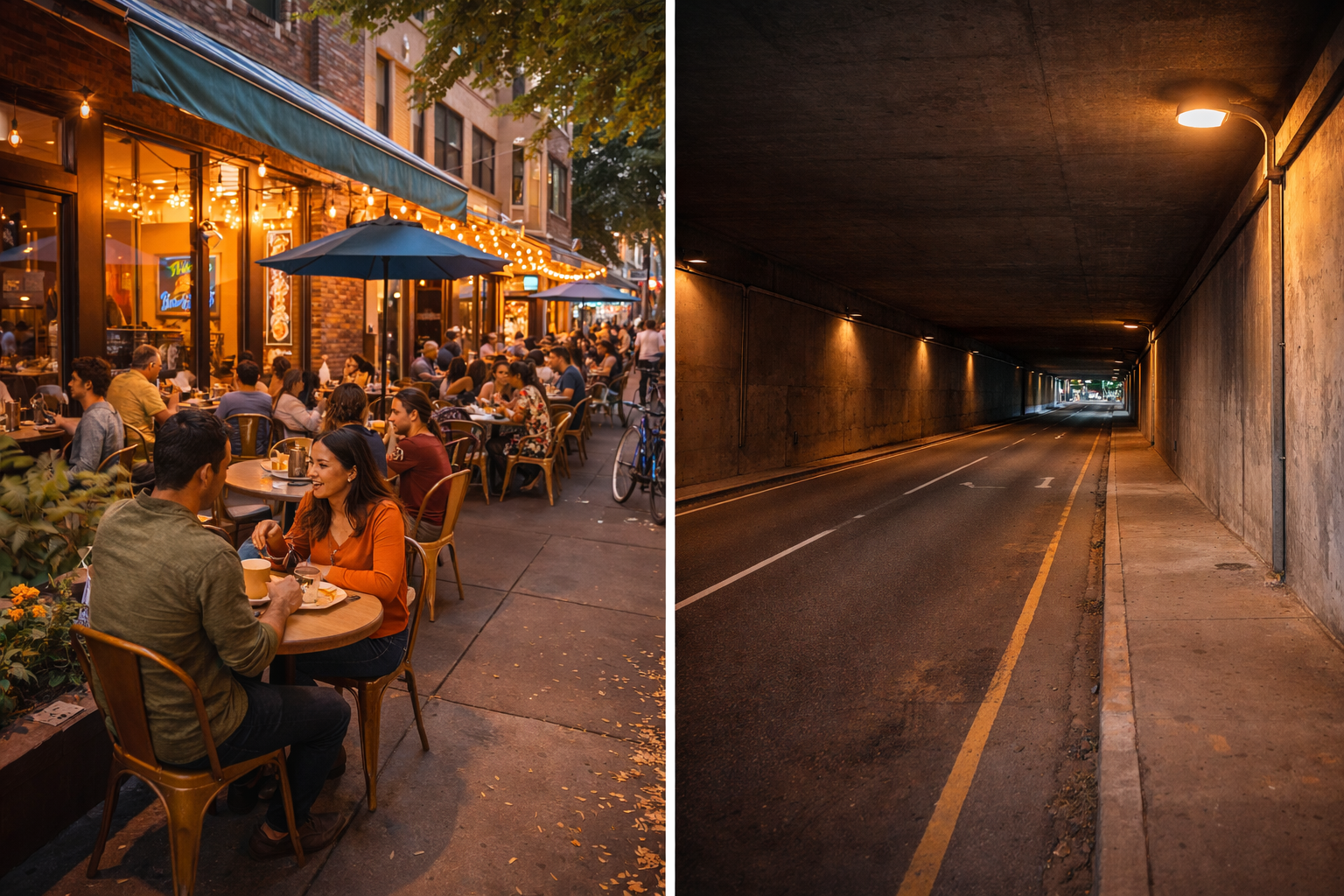
Like a lot of West Coast cities, Sacramento has a visible homelessness crisis—especially in certain parts of downtown and midtown. You’ll see encampments in pockets, along some streets/underpasses, and sometimes near river parkways. There are complex mental health and substance issues that aren’t easy to solve.
The city and county have invested in services, housing, outreach, and enforcement—and work is being done. But on a day-to-day level, you’ll notice something important: some blocks feel vibrant, busy, and comfortable, and other areas can feel uncomfortable—especially at night or with kids—because behavior can feel unpredictable.
Meanwhile, many suburban parts of Sacramento, Placer, and El Dorado counties feel very different: quieter, more residential, and more predictable day-to-day. So when someone asks, “Is it safe?” the real answer is: it depends where you are, what time it is, and what you’re used to.
My advice: don’t judge the entire region by one drive through downtown. Zoom in. Visit specific neighborhoods at different times of day, and evaluate the micro-areas that match your lifestyle.
Want the “Neighborhood-by-Neighborhood” Breakdown?
If you’re thinking about moving to Sacramento, Placer, or El Dorado County, grab my free relocation guide. It’s packed with practical info to help you compare areas and avoid expensive surprises.
👉 Download the Greater Sacramento Relocation Guide
Final Thoughts

Those are the six things you should know before moving to the greater Sacramento area in 2026:
- It’s not the bargain it used to be
- Wildfire risk and insurance can change your budget quickly
- Traffic, commuting, and car dependence are real factors
- Weather can be hot, but year-to-year varies more than people expect
- The region is growing fast and the feel is changing
- Downtown challenges (including homelessness) are part of the picture
My goal isn’t to talk you into or out of moving here. My goal is to help you make a clear, confident decision—and if you do move here, to do it in a way that supports the lifestyle and long-term wealth you actually want.
Thinking About Moving Here or Making a Strategic Move?
If you’re thinking about moving to the area—or you already live here and want to make a smart next move—reach out. Text me at 916-425-786 and we’ll talk through your situation, the best-fit areas, and what to watch out for. No pressure—just real info.
or another way