

Published July 7, 2022
Making Your Home Pet Friendly

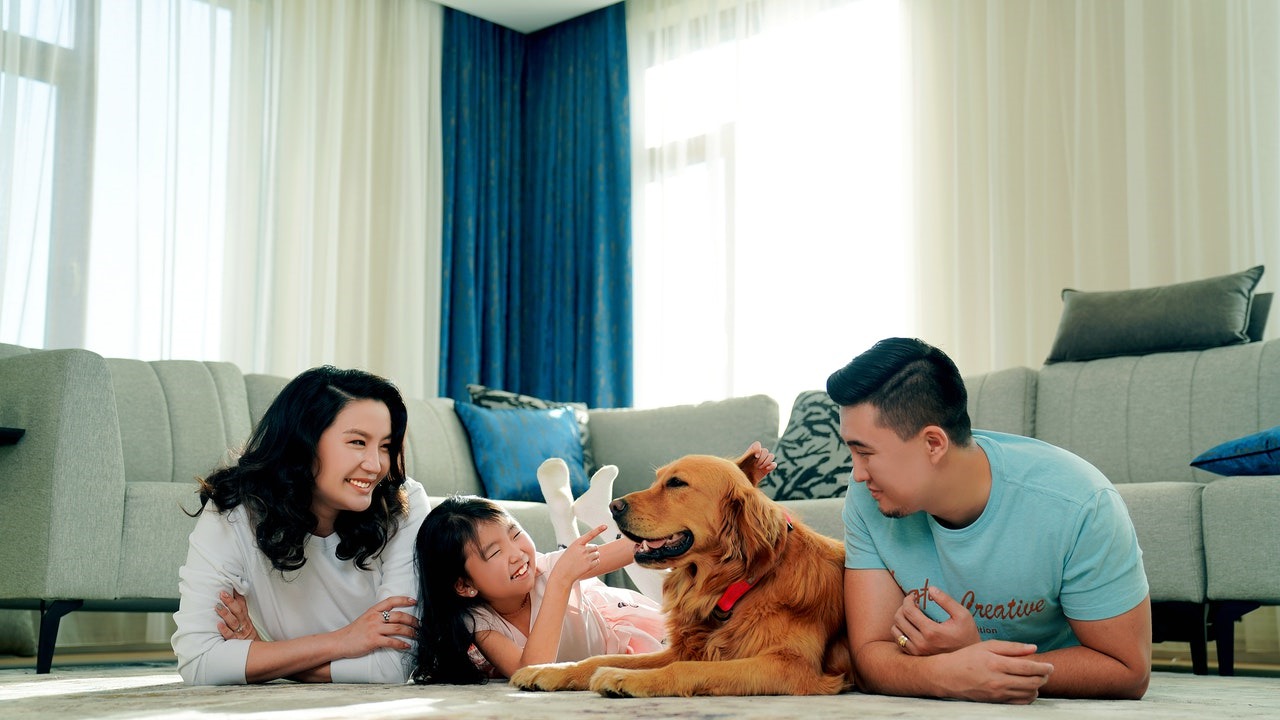
When you're planning a home for both you and your pets, consider their particular needs.Pets are more than just animals. Our furry friends need attention, and a safe and comfortable home as much as we do. If you’re thinking of getting a pet, then you need to think about making your home pet-friendly. You want to provide a safe environment where your pet will thrive, rather than bring them home to a house filled with dangerous hazards. A lot of people think their home is already pet-friendly when it’s not. We have compiled 8 tips to make sure your pet will have a home sweet home with you and your family.
Beware of Toxic Plants
A select few plants can be
toxic to pets. It’s worth going around your house and garden to check whether
any plants you have could be harmful to your new pet. For example, lilies are
poisonous to cats.
Things They
Can Swallow
Some
dogs are only interested in their dog food, but other will eat just about
anything you can imagine. Dogs will eat socks, money, shoes and anything that
looks interesting in your home. They may just be playing with an object and
accidentally swallow it. Avoid expensive and life threatening trips to the vet
to remove objects from your dog’s stomach by keeping everything out of reach.
Invest in a good vacuum cleaner
If you own a shedding
breed that needs it's fair share of dog grooming you will understand the need
for vacuuming at least twice a week. Brushing your pet (probably outdoors) on a
regular basis will help cut down on the amount of dead hair that ends up stuck
on your carpets and furniture.
Consider Hazards
Look for choking,
strangulation, electrocution, and suffocation hazards. Keep window treatment
cords short and cut through any loops, and unplug or cover wires and electrical
cords.
Keep your Toilet Lids Down
Especially if you use
automatic bowl cleaners to eliminate the risk of poisoning. Keeping the lid
down also eliminates a drowning hazard.
Escape Routes
As well as checking your garden, you need to inspect your entire home for
potential escape routes. If pets escape the house it can cause a lot of stress,
and often end very badly. Think about the sort of pet you are getting, and how
they might be able to find a way out of your home. For example, rabbits can
chew through wooden flooring and hamsters can squeeze through the smallest of
gaps. Block off any potential escape routes and secure your home as much as
possible.
Keep treasured items out of reach
Store all fragile,
breakable items behind closed doors. Dogs are often excitable animals, and will
play with just about anything.
Wiring and Electrics
Dogs can chew wiring and mess around with
electrics which is obviously very hazardous. Keep wiring out of reach and don’t
allow your dog near any dangerous electrics.